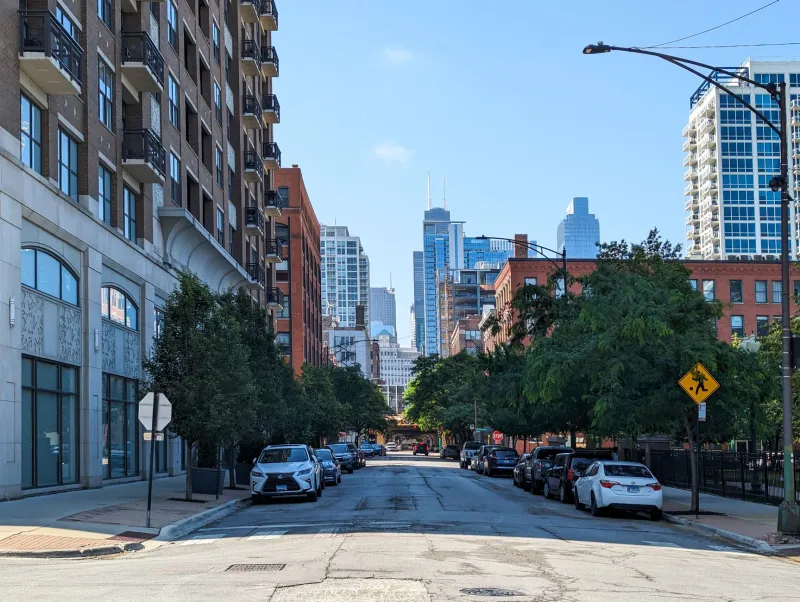
The Amenities Nobody Talks About (But Every Smart Buyer Should Ask About)
Open any residential development's marketing materials and you'll see the same lineup: resort-style pool, state-of-the-art fitness center, walking trails. Maybe a dog park if they're feeling generous.
Those things are fine. Nobody's complaining about a pool. But here's the thing — those amenities are table stakes now. They're expected. They don't differentiate one community from another, and more importantly, they don't do much to explain why some neighborhoods feel genuinely alive while others feel like they're just... there.
The features that actually create vibrant, valuable communities? They're usually the ones mentioned last in the sales pitch, if they're mentioned at all.
Here are five of the most underrated community amenities — and why they deserve to be at the top of your checklist.
1. A Real Gathering Square (Not Just a Patch of Grass)
There's a meaningful difference between a community green and a community square. A green is decorative. A square is functional — it's designed to draw people in, host events, and give residents a reason to be outside together on a random Tuesday.
Well-designed gathering squares tend to have a few things in common: they're bordered by active uses (think: a café, a small retail shop, or a community building), they have seating that invites lingering rather than passing through, and they're sized for actual human interaction rather than just visual appeal from a drone photo.
Why it matters for value: Research from the Urban Land Institute has consistently shown that walkable public spaces adjacent to retail activity are among the strongest drivers of residential property appreciation. Homes within easy walking distance of an active town square or plaza command measurable premiums over comparable homes in neighborhoods without them.
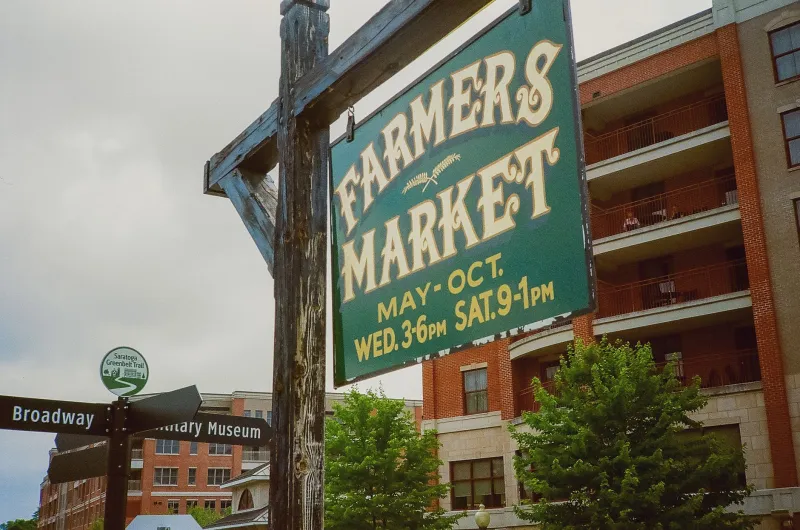
More practically: a great gathering square is where your community actually becomes a community. It's where the farmers market sets up, where the holiday lights go, where you run into neighbors without planning to. That's not a soft benefit — it's the whole point.
At Front Street Village, the central square was designed from day one to be the neighborhood's living room. Not a backdrop for photos. A place people actually use.
2. Co-Working or Flex Workspace Within Walking Distance
This one has gone from niche to essential faster than almost anyone predicted.
With remote and hybrid work now the norm for a significant chunk of the American workforce, the ability to walk to a professional workspace — one with reliable Wi-Fi, good coffee, and a door you can close for a call — has become a genuine quality-of-life factor. Not everyone wants to work from their kitchen table every day. Not everyone can afford a dedicated home office. A community co-working space fills that gap in a way that no amount of square footage in a floor plan can.
Why it matters for value: Communities with built-in co-working or mixed-use commercial space that supports remote workers attract a broader, more financially stable buyer pool. They also tend to retain residents longer — which matters for neighborhood stability and, by extension, home values over time.
Developers who include co-working space are also signaling something important: they understand how people actually live now. That kind of forward-thinking design tends to show up in other decisions too, which is worth paying attention to.
3. A Community Garden With Real Infrastructure
Not a token plot of raised beds tucked behind the maintenance shed. A real community garden — one with adequate sunlight, water access, tool storage, and enough plots to actually serve the neighborhood.
This might sound like a niche amenity, but the data tells a more interesting story. Communities with active gardens report higher rates of neighbor interaction, stronger social trust, and — perhaps surprisingly — lower rates of property crime. There's something about shared, productive space that builds the kind of casual familiarity between neighbors that security cameras can't replicate.
Why it matters for value: A 2021 study from the American Journal of Agricultural Economics found that community gardens in urban and suburban settings increased nearby property values by an average of 9.4% within five years of establishment. That's not nothing.
Beyond the numbers, a thriving community garden is a signal that the people who live in a neighborhood are invested in it. That's exactly the kind of neighbor you want.
4. Programmed Events and Community Activation
This is the one that developers almost never lead with, even though it might be the most important item on this list.
A neighborhood with consistent, well-organized programming — weekly farmers markets, seasonal festivals, outdoor movie nights, fitness classes in the square — is a fundamentally different place to live than one without it. Events create the repeated, low-stakes interactions that turn strangers into acquaintances and acquaintances into actual neighbors.
Why it matters for value: Programmed community events are a leading indicator of neighborhood health. Communities that invest in ongoing activation tend to have lower turnover, stronger social cohesion, and higher resident satisfaction scores — all of which translate into sustained demand and stable (or appreciating) home values.
When you're touring a community, ask specifically: Who manages events? What's the programming calendar? Is there a dedicated budget for community activation? The answers will tell you a lot about whether the developer thought beyond the construction phase.
5. Local-Serving Retail (Not Just Chains)
A Starbucks is convenient. But a neighborhood coffee shop where the owner knows your name? That's something else entirely.
The best mixed-use communities are intentional about the kinds of businesses they attract and support. They prioritize local operators — the independent bookstore, the family-owned deli, the boutique fitness studio — over national chains, because local businesses create local identity. They give a neighborhood its character. They're also more likely to stick around and become genuine anchors of the community.
Why it matters for value: Neighborhoods with strong local retail ecosystems consistently outperform those dominated by chains or vacant storefronts, both in terms of resident satisfaction and long-term home value appreciation. Local retail is also a self-reinforcing system: interesting shops attract foot traffic, foot traffic supports more shops, and a walkable commercial environment makes the surrounding homes more desirable.
Ask what the retail leasing strategy looks like. Ask whether the developer has worked with local operators before. The answers reveal a lot about the kind of place they're actually trying to build.
The Bottom Line
The amenities that real estate brochures highlight are the ones that photograph well. The amenities that actually make a neighborhood worth living in — and worth investing in — are the ones that create connection, support daily life, and signal that someone thought carefully about what community actually means.
Next time you're evaluating a community, look past the pool renderings. Ask about the square. Ask about the programming. Ask about the local shops. Those answers will tell you far more about what your life there will actually look like.
Want to see these amenities in action? Take a closer look at what Front Street Village has planned — visit frontstreetvillage.com.