From Cul-de-Sac to Corner Store: Why Walkable Village Living Is Rewriting the American Dream
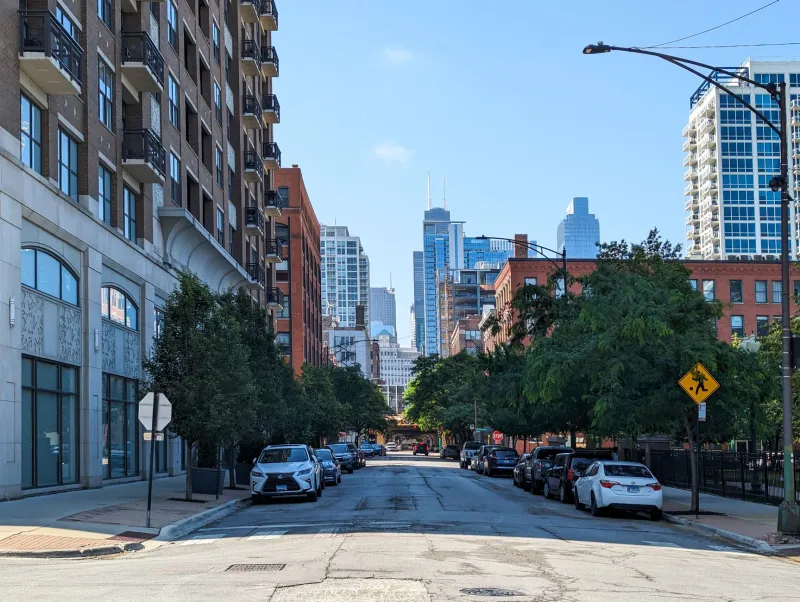
For decades, the image of the perfect American neighborhood looked something like this: a quiet street lined with matching mailboxes, a two-car garage, and a backyard with a privacy fence. Getting anywhere — the grocery store, a coffee shop, your kid's school — meant hopping in the car. That was just the deal.
But something has quietly shifted. Across the country, a growing number of homebuyers are asking a different question: What if my neighborhood was actually a place I wanted to walk around in?
The answer, it turns out, looks a lot like Front Street.
The Problem With the Old Playbook
Single-use zoning — the planning philosophy that separates residential areas from commercial ones, often by miles — dominated American development for most of the 20th century. The logic made sense at the time. Keep the noise and traffic away from the homes. Give families space. Build wide roads.
What nobody fully anticipated was how isolating it would feel.
By the early 2000s, urban planners and sociologists were documenting a quiet crisis in American suburban life. Residents of sprawling subdivisions reported higher rates of loneliness, less physical activity, and weaker ties to their neighbors than people who lived in more connected, walkable environments. The problem wasn't just aesthetic — it was social.
"When you have to drive somewhere to do literally anything, you stop doing things spontaneously," says one urban planner who has worked on mixed-use projects in the Southeast. "Spontaneous interaction is how community actually forms. You run into your neighbor at the coffee shop. Your kid meets a friend at the corner park. Those moments don't happen in a subdivision where everyone drives in and out of a garage."
Enter the Mixed-Use Village Model
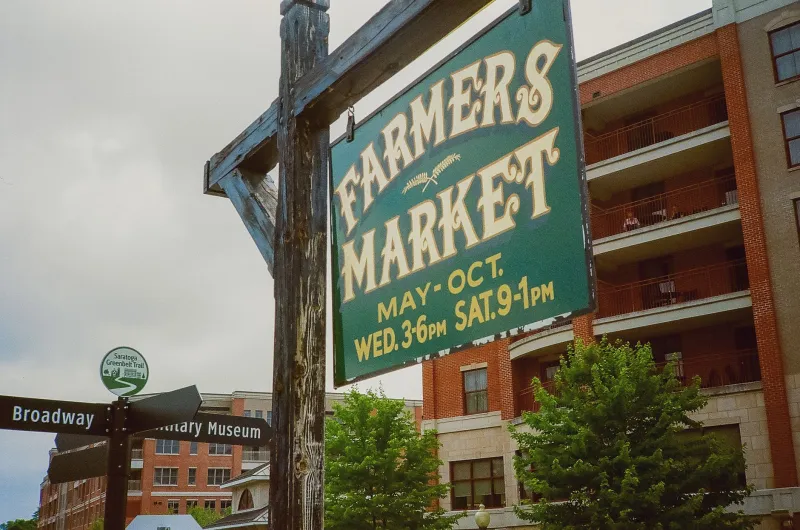
The mixed-use village concept isn't new — it's actually a return to something much older. Before zoning codes carved American cities into rigid categories, most neighborhoods naturally blended homes, shops, and public spaces. Think of the classic small-town main street: a hardware store next to a diner, apartments above a pharmacy, a park at the end of the block.
What's new is the intentional, developer-led effort to recreate that texture in modern residential communities.
Projects like Avalon in Alpharetta, Georgia, Seabrook in Washington State, and the celebrated Seaside community in Florida's Panhandle have demonstrated that people aren't just willing to live in walkable, mixed-use environments — they actively seek them out and pay a premium to be there.
The formula, while it varies by project, tends to share a few core ingredients:
- Street-level retail and dining that serves the immediate neighborhood, not just passing traffic
- Intentional public gathering spaces — plazas, greens, and squares that give residents a reason to linger
- Residential density that supports foot traffic, meaning enough people living nearby to actually keep a local coffee shop in business
- Pedestrian-first street design that makes walking feel safe and pleasant rather than like an afterthought
When those elements come together, something remarkable happens: the neighborhood starts to feel like a village. People recognize each other. Local businesses develop regulars. Kids walk to things. Events happen organically.
What Homebuyers Are Actually Saying
The market data is hard to argue with. A 2023 analysis from the National Association of Realtors found that walkability consistently ranks among the top five factors homebuyers consider, particularly among millennials and Gen X buyers in their peak home-purchasing years. For buyers with children, proximity to walkable amenities often outweighs school district rankings — a shift that would have been unthinkable twenty years ago.
But the numbers only tell part of the story. Talk to people who've made the move from a traditional subdivision to a mixed-use community and you hear something more personal.
"I used to know maybe two of my neighbors," says one resident of a village-style community in North Carolina. "Now I run into people I know almost every time I walk to get coffee. My kids have friends they actually walk to see. It sounds small, but it's completely changed how our family feels about where we live."
That sense of belonging — of being from somewhere specific — is increasingly what people mean when they talk about wanting community. A neighborhood with a name, a gathering spot, a place where the barista knows your order.
The Developer Perspective
For developers, the mixed-use village model represents both an opportunity and a challenge. The upside is significant: properties in well-executed walkable communities tend to hold value better, attract a wider range of buyers, and generate the kind of word-of-mouth enthusiasm that no marketing budget can fully replicate.
The challenge is complexity. Mixed-use development requires coordinating residential and commercial timelines, managing retail leasing alongside home sales, and designing public spaces that feel genuinely inviting rather than just technically present. It's harder to build than a standard subdivision, and it requires a longer-term vision.
"You have to believe in the place before the place exists," says one developer who has worked on village-scale projects in the Mid-Atlantic. "You're not just building houses. You're building a neighborhood. That means making decisions about what kind of life you want people to have there."
At Front Street Village, that philosophy is baked into every decision — from the placement of the central green to the mix of retail spaces designed to serve daily needs, not just weekend traffic.
The Bigger Picture
What's happening in residential development right now isn't just a trend. It reflects a genuine rethinking of what American neighborhoods are for.
For much of the 20th century, the suburb was sold as an escape — from the city, from density, from the noise and friction of public life. But friction, it turns out, is part of what makes a place feel alive. The chance encounter at the corner store. The neighbor you see every morning walking their dog. The local restaurant that becomes your restaurant.
Mixed-use villages aren't trying to recreate the city. They're trying to capture something more specific: the feeling of a place that belongs to the people who live there.
That's an old idea. But right now, it feels like exactly the right one.
Interested in what village-style living looks like up close? Explore Front Street Village at frontstreetvillage.com.