The 47-Minute Thief: How Your Daily Commute Is Quietly Stealing Your Life

Photo: 鄧南光, Public domain, via Wikimedia Commons
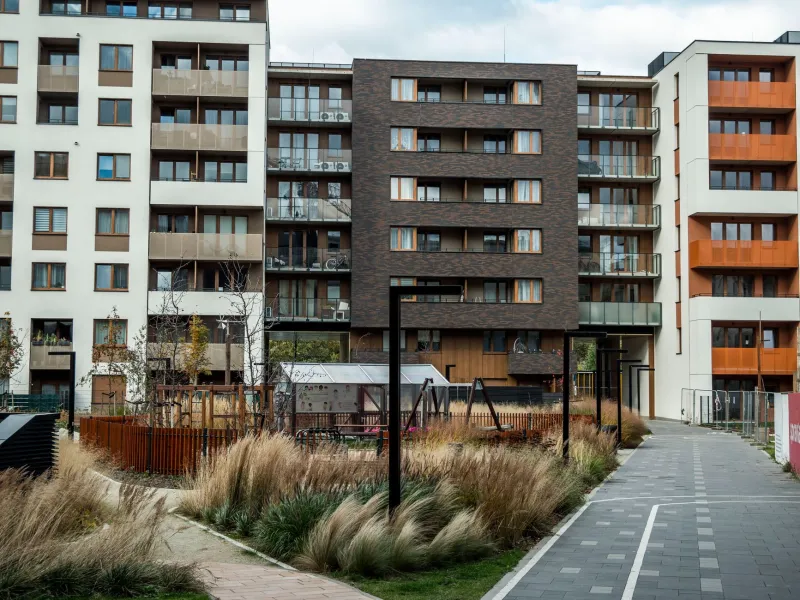
When Marcus and Dana relocated from a suburb outside Columbus to a walkable mixed-use community three years ago, they didn't expect the first thing they'd notice to be silence. Not the absence of traffic noise — they'd traded that too — but the silence that comes at 7:15 on a Tuesday morning when you're already at the coffee shop two blocks from your front door, and your old commute would've just been getting started.
"I kept waiting for the other shoe to drop," Marcus says. "Like I was cheating somehow. Just... eating breakfast. With my wife. On a weekday."
They hadn't gotten a raise. They hadn't hired help. They hadn't discovered a productivity hack. They'd simply moved somewhere that didn't demand 90 minutes of their day just to participate in it.
The Real Currency of Commuting
Here's the math nobody runs when they're touring a beautiful home in a far-flung suburb. The average American commute is 27.6 minutes one way, according to U.S. Census data. That's 55 minutes round-trip. Over a standard 250-day work year, that adds up to roughly 229 hours — or about 9.5 full days — spent simply getting to and from a job.
But 27 minutes is the average. Plenty of suburban households are looking at 45, 60, or 75 minutes each way. Run those numbers and you're talking about 375 to 625 hours annually. That's not a commute. That's a part-time job you're not getting paid for.
Researchers at the University of the West of England found that every additional minute of commute time reduces both job satisfaction and leisure time satisfaction. A study published in the American Journal of Preventive Medicine found that commuters who drove more than 10 miles each way were more likely to have elevated blood pressure, higher BMI, and lower cardiovascular fitness. And a well-cited analysis by economists at Princeton found that commuting is, consistently, the daily activity Americans enjoy the least — ranking below housework and even below caring for children.
We know commuting is bad for us. We keep doing it anyway, often because we've been conditioned to treat location as a backdrop rather than a budget line.
Time Isn't Just Time — It's Everything You Do With It
Let's get specific about what those lost hours actually represent.
For parents, a 90-minute daily commute translates to missing dinner with your kids roughly four nights a week. It means you're arriving home after homework is done, after the funny story from school has been forgotten, after the window of connection has quietly closed for the day. Research from the American Time Use Survey consistently shows that commute time comes directly out of sleep, exercise, and family interaction — not from leisure activities people are willing to sacrifice.
For your health, the math is equally unforgiving. The CDC recommends 150 minutes of moderate exercise per week. A commuter spending 90 minutes a day in a car has essentially consumed that entire weekly budget just sitting in traffic. Studies show people who live within walking distance of daily errands and work accumulate an average of 35 to 45 additional minutes of physical activity per day without ever setting foot in a gym — just by living in a place designed for human movement.
For your mental health, the effects are subtler but just as real. A 2017 study in Transportation Research found that each additional 10 minutes of commuting is associated with increased stress and reduced cognitive function. Chronic commuters report higher rates of anxiety, social isolation, and what psychologists call "decision fatigue" — the mental depletion that comes from navigating traffic before you've even started your actual day.
What Residents Actually Got Back
Jennifer, a nurse practitioner who moved to a walkable village community after a decade of suburban living, started keeping a rough log of what changed in the first six months.
"I was driving 40 minutes each way before," she says. "After moving, I started walking to the farmers market on Saturday mornings. I joined a yoga class I'd been putting off for two years. I started cooking dinner again — like, actually cooking, not reheating. None of that happened because I became a different person. I just had time."
Her partner, who works remotely, noticed something else: the neighborhood itself became social infrastructure. "We run into people. We talk to people. We're not just coming home to collapse."
That's a pattern researchers call the "time spillover" effect of walkable communities. When daily errands — coffee, groceries, a quick lunch — are built into your walking radius, the cumulative time savings compound. You're not making separate trips. You're living your life in one continuous, integrated place.
Location Is a Time Decision
Real estate agents have repeated "location, location, location" for decades, but the conversation usually stops at property values and school districts. It rarely accounts for the hours you'll spend each week just getting from where you are to where you need to be.
A longer commute might feel like a reasonable trade-off for a bigger yard or a lower sticker price. But when you actually price out what you're spending — not in dollars, but in hours of sleep, meals with your family, workouts that don't happen, evenings you arrive home too tired to be present — the math often shifts.
The most walkable, well-designed communities aren't just selling convenience. They're selling time back to you. And time, unlike square footage, is the one thing you genuinely cannot get more of.
Marcus puts it simply: "We didn't downsize our life when we moved. We upsized it. We just stopped paying the commute tax."
When you're evaluating your next home, run the commute numbers the same way you'd run a mortgage calculation. Not just the miles, but the hours. Not just the cost of gas, but the cost of the life you're not living while you're stuck in traffic. That's the hidden math of location — and once you see it, it's impossible to unsee.