Ditch the Drive: Why Walkable Mixed-Use Communities Are the Future American Dream
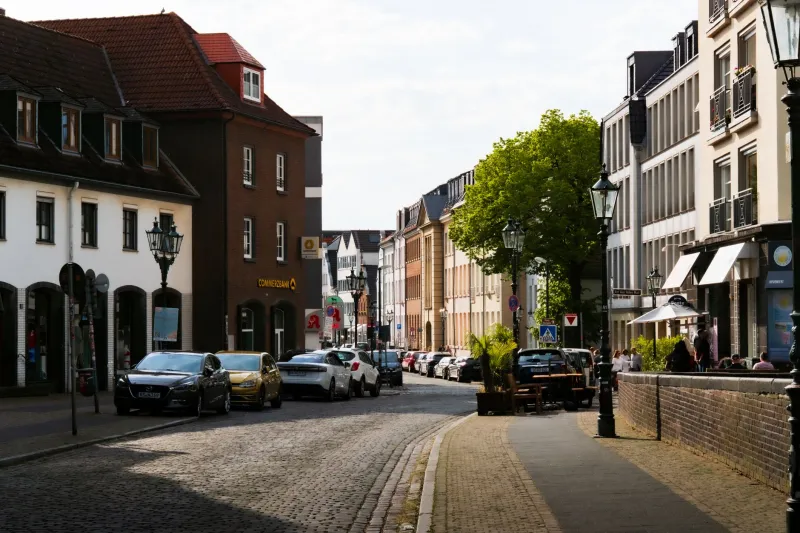
For a long time, the American Dream came with a pretty specific address: a house in the suburbs, a two-car garage, and a highway on-ramp somewhere nearby. You worked downtown, shopped at a big-box store twenty minutes away, and grabbed dinner from a drive-through on the way home. That was just... life.
But something's shifting. Across the country, a growing number of families are asking a pretty simple question: What if everything we needed was already right here?
That question is driving one of the most significant changes in residential development in decades — the rise of the walkable, mixed-use village. And communities like Front Street Village are right at the center of it.
The Real Cost of the Commute
Let's talk numbers for a second. According to the U.S. Bureau of Transportation Statistics, the average American spends roughly 27 minutes each way commuting to work. That's nearly an hour a day, five days a week — or about 200 hours a year sitting in traffic, on a train, or staring at brake lights.
And that's just time. AAA estimates that the average annual cost of owning and operating a vehicle in the United States hovers around $12,000 when you factor in insurance, fuel, maintenance, and depreciation. For two-car households — which is the norm in most suburban communities — that's $24,000 a year quietly walking out the door.
Then there's the stress. A 2022 study published in Transportation Research found a direct correlation between longer commute times and increased rates of anxiety, poor sleep quality, and lower reported life satisfaction. Researchers dubbed it "commuter burnout," and it turns out, it's very real.
Mixed-use communities are designed with all of this in mind.
What "Mixed-Use" Actually Means for Your Daily Life
The term gets thrown around a lot in real estate circles, so it's worth breaking down what it actually looks like on the ground.
In a well-designed mixed-use village, your morning coffee shop is a three-minute walk from your front door. The dry cleaner, the pediatrician's office, the yoga studio, the grocery market — they're not destinations you have to drive to. They're just part of the neighborhood fabric. Work-from-home residents can pop into a co-working space two blocks away when the home office starts feeling claustrophobic. Families can grab dinner at a local restaurant without a babysitter, because the kids can walk alongside them.
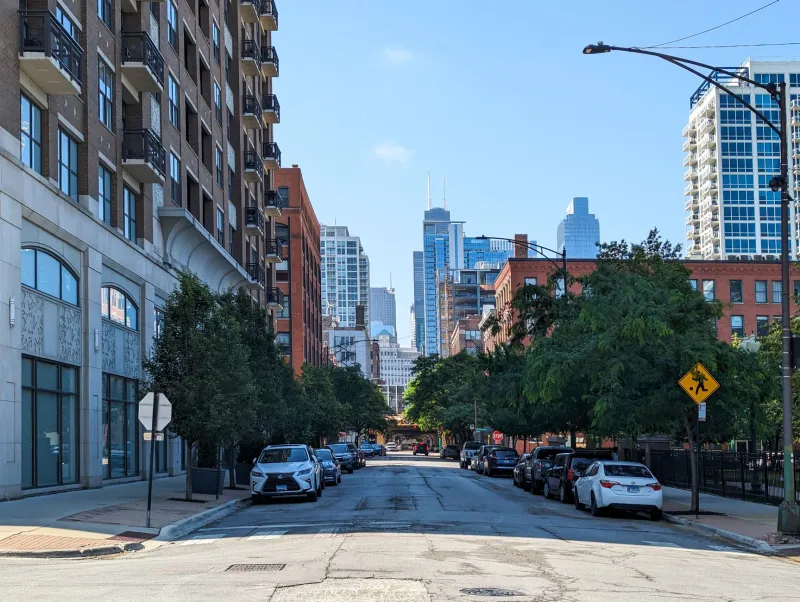
At Front Street Village, this isn't an aspiration — it's the blueprint. Residential homes and apartments sit alongside retail storefronts, dining options, and professional office suites, all connected by wide sidewalks, shaded walkways, and public gathering spaces designed to encourage lingering rather than rushing.
"I genuinely forgot what it felt like to not dread Monday mornings," says Marcus T., who moved his family to a mixed-use community outside of Nashville two years ago after relocating from a traditional suburb. "We were spending close to $1,800 a month between two car payments, insurance, and gas. Now we're down to one car, and honestly, we barely use it on weekdays."
The Environmental Upside (That Also Saves You Money)
The sustainability angle here isn't just feel-good marketing. When residents drive less, the environmental math changes fast.
The EPA reports that transportation accounts for the largest share of greenhouse gas emissions in the United States — roughly 28% of total U.S. emissions. A meaningful chunk of that comes from personal vehicle trips that, in a walkable community, simply wouldn't need to happen.
For residents, fewer car trips mean lower fuel costs, less wear on vehicles, and in many cases, the ability to go from a two-car household to one. Some Front Street Village residents have eliminated a car payment entirely — freeing up anywhere from $400 to $700 per month that can go toward savings, experiences, or just breathing a little easier financially.
Developers and urban planners also point out that mixed-use design reduces infrastructure strain. Fewer cars on local roads means lower municipal maintenance costs over time, which can translate to more stable property taxes for homeowners.
Mental Health: The Benefit Nobody Talks About Enough
Here's something that gets overlooked in most real estate conversations: the psychological impact of your neighborhood design.
Research from the American Psychological Association has consistently found that social isolation is one of the most significant contributors to depression and anxiety in adults. And ironically, sprawling suburban neighborhoods — despite being full of people — can be profoundly isolating. When every errand requires a car and interaction with neighbors is incidental at best, genuine community connection is hard to build.
Walkable, mixed-use villages flip this dynamic. When you pass the same coffee shop every morning, recognize the face behind the counter, wave to the couple walking their dog on the same path — those micro-interactions add up. Social scientists call this "passive contact," and it turns out it's a surprisingly powerful antidote to loneliness.
Jennifer R., a remote-working graphic designer who moved into a mixed-use community in the Carolinas, describes it this way: "I used to go entire days without speaking to another human being in person. Now I can't make it to the mailbox without running into someone I know. It sounds small, but it changed everything about how I feel day-to-day."
Is This Just for Young Professionals?
One of the most common misconceptions about mixed-use communities is that they're designed for a specific demographic — young, childless, urban-leaning professionals who want a trendy zip code.
The reality is more interesting. Families with school-age kids are discovering that walkable neighborhoods give their children something increasingly rare: independence. Kids can ride bikes to a friend's house, walk to get ice cream, or meet up at a community park without a parent chauffeuring them across town. Empty nesters are finding that downsizing into a mixed-use village means gaining a social life they thought they'd left behind in their thirties. Retirees appreciate the accessibility — not having to drive to every appointment or outing is a genuine quality-of-life improvement as mobility changes over time.
Front Street Village's community is intentionally multigenerational, because the best neighborhoods always have been.
The Commute Isn't Coming Back
The pandemic reshuffled a lot of assumptions about where and how Americans work. Remote and hybrid work arrangements have become a permanent fixture for a significant portion of the workforce, and that shift has made where you live — not just where you work — the central question of daily life quality.
Mixed-use villages are arguably the most direct answer to that question. They're not just a real estate trend. They're a rethinking of what it means to have a good life close to home.
At Front Street Village, we believe that home isn't just a house. It's the coffee shop where the barista knows your order. It's the evening walk you take because the sidewalks are actually inviting. It's the neighbor you run into on a Tuesday afternoon who turns into a genuine friend.
The commute had a good run. But for a lot of Americans, the future looks a lot more like a front porch — and a whole lot less like a parking lot.